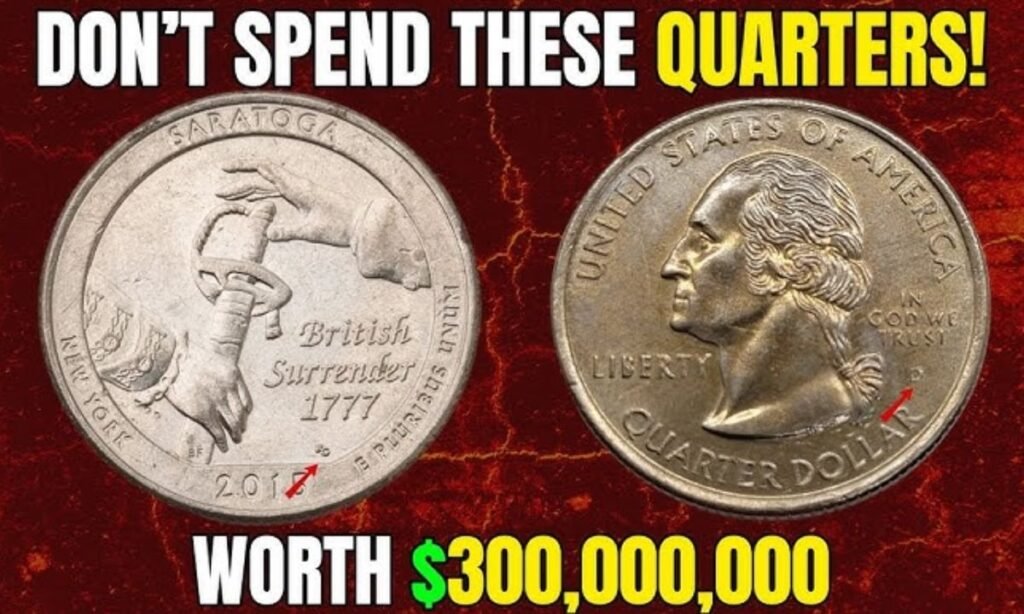
State quarters continue to capture the attention of collectors more than two decades after the program ended. In 2026, certain rare errors, low-mintage varieties, and pristine examples from the 50 State Quarters series are fetching impressive prices at auctions and online marketplaces. Whether you’re digging through old change jars or checking inherited collections, knowing which ones hold real value can turn pocket change into serious cash.
Why Some State Quarters Are Suddenly Hot Again
The combination of nostalgia, growing numismatic interest, and the natural aging of the series has driven renewed demand. Many collectors who started as kids in the early 2000s are now adults with disposable income, actively seeking high-grade or error pieces. At the same time, fewer uncirculated rolls remain untouched, making top-condition examples increasingly scarce. Market reports show steady price climbs for the right coins throughout recent years, with 2026 expected to continue that trend.
The Wisconsin Extra Leaf Varieties
Among the most talked-about errors, the Wisconsin quarter stands out for its famous “extra leaf” varieties. Released in 2004, the standard design shows an ear of corn, but two distinct die varieties added an extra leaf on the left side of the husk. The “High Leaf” version features a more pronounced upward-pointing leaf, while the “Low Leaf” has a subtler downward curve.
Both varieties exist in significant enough numbers to keep them accessible to serious collectors, yet demand stays strong because they represent one of the most recognizable minting mistakes from the entire program.
The 2004-D Wisconsin Extra Leaf High and Low
These specific Wisconsin quarters frequently top want lists. The high-leaf version tends to command slightly higher prices in top grades due to its bolder appearance, while the low-leaf variety often appeals to collectors who prefer subtlety.
Prices for MS-67 or better examples have shown consistent growth, especially when certified by major grading services. Even mid-grade circulated pieces with clear extra leaves still bring well above face value.
Here are the key Wisconsin varieties collectors target:
- 2004-D Extra Leaf High – bolder upward leaf variation
- 2004-D Extra Leaf Low – more subtle downward leaf variation
- Both in MS-66 or higher grades for maximum value
- Clear, well-struck examples without major contact marks
Other High-Value State Quarter Errors and Varieties
Beyond Wisconsin, several other state quarters feature desirable errors or low-mintage quirks. The 2005 Minnesota quarter occasionally appears with a spectacular doubled-die obverse that affects the word “Liberty” and parts of the date. Certain 2006 Colorado quarters show a prominent “Godless” variety where the motto was weakly struck or missing entirely due to grease-filled dies.
Proof versions from San Francisco, especially those with cameo or deep cameo contrast, also hold strong value when they remain in pristine condition. Doubled dies on the Delaware, Pennsylvania, and New York quarters from the early years round out the list of pieces worth close inspection.
Condition Makes All the Difference
Grading plays a massive role in determining value. Coins in Mint State 65 or higher—meaning they show no wear and minimal marks—sell for far more than circulated examples. Even small differences in eye appeal, luster, or toning can swing prices by hundreds or thousands of dollars.
Professional grading services provide consistency and protection, which buyers trust when spending big money. Raw coins can still sell well if the error is obvious and the piece looks fresh, but certification often unlocks the highest offers.
Tips for Checking Your Collection in 2026
Start by examining quarters from 2004 (Wisconsin), 2005 (Minnesota and Oregon), and any proof or special-mint sets from the series. Use good lighting and a magnifying glass to spot extra leaves, doubling, or weak strikes. Keep pieces in protective holders to prevent damage while you research.
If something looks unusual, resist the urge to clean it—cleaning almost always reduces value. Take clear photos from multiple angles and compare them to known examples online before deciding whether to sell or hold.
The state quarters program may be long over, but its rarest pieces keep gaining respect in the numismatic world. In 2026, the right error or high-grade example can still deliver surprising returns. Whether you’re a casual collector or a serious investor, taking a second look at those old quarters could pay off in a big way.